
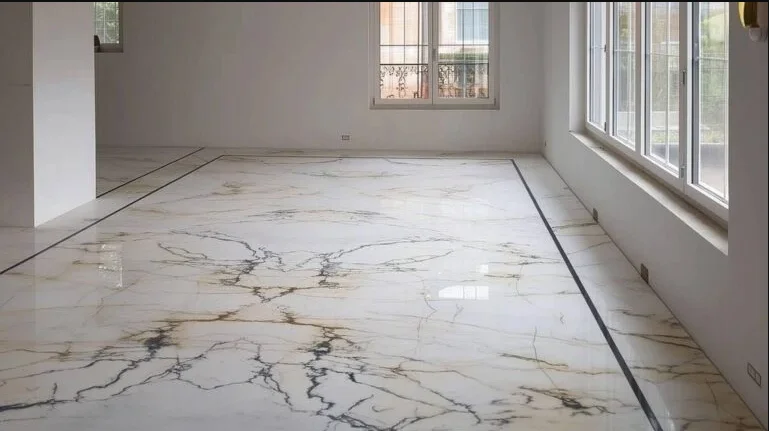
Marble is one of the most elegant materials you can bring into a home and one of the most misunderstood. Unlike granite or quartz, marble is a soft, porous stone made mostly of calcium carbonate. That means it reacts to acids, absorbs liquids quickly, and scratches more easily than most people expect. A splash of wine, a forgotten coffee cup, or even a lemon slice left on a countertop overnight can leave a mark that feels impossible to lift.
The good news: most marble stains can be treated at home if you know what you’re dealing with. The key is identifying the type of stain before you touch it with any cleaner, because the wrong product can etch the surface permanently or set the stain deeper into the stone.
This guide walks through every common stain type, the correct removal method, and how to tell when a stain is beyond DIY repair.
Why Marble Stains So Easily
Before jumping into removal methods, it helps to understand what’s actually happening to the stone.
Marble has a crystalline structure with microscopic pores. When a liquid sits on the surface, it doesn’t just rest on top the way it would on a sealed granite countertop — it seeps into those pores. The longer a spill sits, the deeper it travels, and the harder it becomes to draw back out.
There’s also a chemical factor. Marble is calcium carbonate, which reacts with acids. Anything acidic — citrus juice, vinegar, wine, even some tile cleaners — can eat into the surface and cause “etching,” a dull, rough patch that isn’t technically a stain but looks like one. Etching can’t be scrubbed away; it requires re-polishing.
This is why the first rule of marble care is: identify the stain type before treating it. Treating an etch mark like an oil stain (or vice versa) usually makes things worse.
The 5 Main Categories of Marble Stains
Professional stone restorers generally sort marble stains into five categories. Each one has a different chemical makeup and requires a different poultice or cleaning agent.
1. Organic Stains
Caused by: Coffee, tea, fruit, wine, tobacco, leaves, bird droppings.
These typically show up as pink, brown, or yellowish-brown discoloration.
How to remove it:
- Mix a small amount of hydrogen peroxide (12%, available at beauty supply stores) with a few drops of ammonia.
- Apply directly to the stain, cover with plastic wrap, and let it sit for about an hour.
- Rinse with water and buff dry with a soft cloth.
Organic stains often lighten significantly with just this step, especially if treated soon after they appear.
2. Oil-Based Stains
Caused by: Cooking oil, grease, butter, milk, cosmetics, hand lotion.
These stains darken the stone and often have a slightly translucent look, since oil doesn’t evaporate the way water does.
How to remove it:
- Use a poultice made from baking soda and a gentle liquid dish soap (avoid degreasers with citrus or acid).
- Apply a thick paste over the stain, cover with plastic wrap, and tape down the edges.
- Leave for 24–48 hours so the poultice can draw the oil out as it dries.
- Scrape off gently and rinse with warm water.
Repeat if the stain is old or deeply set — oil stains are notorious for needing more than one treatment.
3. Etch Marks (Acid Damage)
Caused by: Lemon juice, vinegar, wine, soda, tomato sauce, some cleaning products.
Unlike true stains, etch marks are a change in the stone’s surface texture — the polish is literally dissolved. You’ll notice a dull or rough patch rather than a colored mark.
How to fix it:
- Light etching can sometimes be buffed out with a marble polishing powder (tin oxide or cerium oxide) applied with a soft cloth and a damp buffing pad.
- Deeper etches require honing — a light sanding of the surface with progressively finer diamond abrasive pads — followed by re-polishing.
- Avoid any acidic cleaner going forward, including many “natural” vinegar-based products marketed for kitchens.
This is the stain type most likely to require professional help, since honing changes the surface profile of the stone and is easy to get wrong.
4. Water Stains and Rings
Caused by: Wet glasses, damp towels, plant pots, hard water buildup.
Water stains usually appear as a light gray or white ring, sometimes with a rough texture if minerals in the water have built up.
How to remove it:
- For light rings, buff the area with a dry, soft cloth — many disappear with friction alone once the moisture fully evaporates.
- For deeper marks, apply a small amount of marble polishing powder with a damp cloth in circular motions.
- Hard water mineral buildup may need a specialized marble-safe descaling product, since standard limescale removers are usually acidic and will etch the stone.
5. Metal (Rust) Stains
Caused by: Metal furniture legs, cans, pipes, or planters left on the surface.
Rust stains appear as orange or brown discoloration and tend to spread slowly over time if the metal source isn’t removed.
How to remove it:
- Rust requires a specific rust-removing poultice (available from stone care suppliers) since standard cleaners won’t break the iron oxide bond.
- Apply according to the product’s instructions, typically left on for several hours to overnight.
- Rinse thoroughly and reseal the marble afterward, since rust poultices can strip existing sealant.
General Poultice Method (Step-by-Step)
A poultice is the standard professional technique for pulling a stain out of porous stone rather than just masking it. Here’s the general process, which applies with slight variations to organic, oil, and rust stains:
- Clean the area with a pH-neutral stone cleaner and let it dry completely.
- Mix the poultice appropriate to the stain type (see above) into a thick, peanut-butter-like paste.
- Apply generously, about ¼ inch thick, extending slightly beyond the stain’s edges.
- Cover with plastic wrap and tape the edges down to slow evaporation — this forces the poultice to draw the stain out rather than drying too quickly on the surface.
- Wait 24–48 hours. Do not rush this step; the poultice needs time to pull moisture and staining agents out of the stone.
- Remove and rinse with warm water, then dry and buff with a soft cloth.
- Repeat if necessary. Old or deep stains sometimes take two or three rounds.
What Not to Do
- Don’t use vinegar, lemon juice, or bleach on marble under any circumstances — all three are acidic or highly alkaline and will etch or discolor the surface.
- Don’t scrub with abrasive pads or steel wool. These leave micro-scratches that trap dirt and make the surface look duller over time.
- Don’t seal over a stain. Sealing traps the discoloration underneath and makes it far harder to treat later.
- Don’t wait. Fresh stains lift out far more easily than ones that have had weeks to set into the stone.
When to Call a Professional
DIY methods handle the majority of household marble stains, but there are clear signs it’s time to bring in an expert:
- The stain hasn’t budged after two or three poultice treatments.
- You’re dealing with etching across a large area, such as an entire countertop or floor section.
- The marble has lost its shine broadly, not just in one spot — this usually points to worn sealant or surface-wide etching rather than a single stain.
- You’re unsure what caused the discoloration, since treating the wrong stain type with the wrong method can make it permanent.
In these cases, affordable marble polishing services for stained countertops are usually the faster and safer route. Professional technicians use diamond abrasive systems and stone-specific chemicals that aren’t sold for home use, and they can restore both the color and the polish of the stone in a single visit — something that’s difficult to replicate with store-bought products.
Preventing Future Stains
Once your marble is clean, a few habits go a long way toward keeping it that way:
- Reseal every 6–12 months, depending on how much the surface is used. A water-drop test (does water bead or soak in?) tells you when it’s time.
- Wipe spills immediately, especially anything acidic like citrus, wine, or coffee.
- Use coasters and trivets for glasses, pots, and pans.
- Avoid all-purpose or citrus-based cleaners. Stick to pH-neutral stone cleaners made specifically for marble.
- Place felt pads under decorative items, planters, and furniture legs to prevent scratching and rust transfer.
Final Thoughts
Marble rewards a little extra care. Most stains organic, oil-based, water, or rust respond well to the right poultice and a bit of patience. Etching is the exception; because it changes the stone’s surface rather than just its color, it often needs mechanical polishing to correct.
If you’ve tried the steps above and the stain remains, or if the damage covers a large area, it’s worth getting a second opinion from a stone care specialist before trying anything more aggressive. A quick assessment can tell you whether it’s a simple fix or a job better left to trained hands.


